Bird Feeders & Outdoor Accessories: Your Ultimate Guide to a Backyard Birding Paradise
There’s a quiet magic in watching a cardinal land on a feeder while you sip your morning coffee. Bird feeders and outdoor accessories turn any yard, balcony, or patio into a lively sanctuary—not just for the birds, but for you. Whether you’re a seasoned birder or a curious beginner, the right combination of feeders, baths, and thoughtful accessories can transform your outdoor space into a year-round destination for feathered visitors. Let’s explore how to build a backyard habitat that’s as beautiful as it is beneficial.
Why Bird Feeders Matter More Than Ever
Habitat loss and climate change have made life harder for many bird species. A well-stocked feeder offers a reliable food source, especially during harsh winters and migration seasons. But the benefits go beyond survival. Feeders create a window into avian behavior—courtship displays, territorial squabbles, and the delicate hierarchy at the perch. They also connect us to the rhythms of nature, turning a mundane Tuesday into a front-row seat to the great outdoors.
“A bird feeder is more than a feeding station—it’s a commitment to becoming a steward of the sky.” — Anonymous Backyard Birder
Choosing the Right Bird Feeder: A Style for Every Flock
Not all feeders are created equal. Different species have different feeding habits, beak shapes, and preferences. Here’s a breakdown of the most popular styles and who they attract.
🔹 Tube Feeders
These cylindrical feeders with multiple ports are perfect for small birds like chickadees, finches, and titmice. Look for models with metal ports and a seed tray to reduce waste. A squirrel baffle is a worthy companion—unless you enjoy feeding the local acrobats.
🔹 Platform Feeders
Open trays attract a wide variety of birds, from grosbeaks to jays. They’re easy to clean but offer no protection from rain or snow. Place them near cover so birds can retreat quickly from predators.
🔹 Hopper Feeders
With a roof and a reservoir that dispenses seed as it’s eaten, hopper feeders are the classic “bird feeder” shape. They hold a lot of seed and keep it dry, making them ideal for cardinals, sparrows, and woodpeckers.
🔹 Suet Feeders
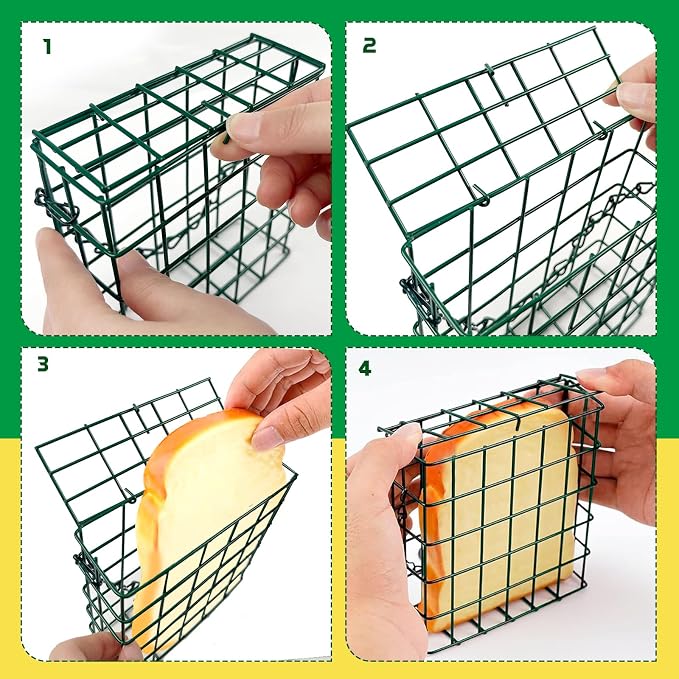
Suet—rendered beef fat mixed with seeds and insects—is a high-energy winter food. Woodpeckers, nuthatches, and wrens flock to suet cages. In warmer months, choose a no-melt suet to avoid spoilage.
Essential Outdoor Accessories for a Thriving Habitat
Feeders are just the beginning. These accessories round out your yard’s bird-friendly appeal.
- Bird Baths: Clean water is as crucial as food. A shallow bath with a dripper or bubbler attracts birds that won’t visit a static pool. Refresh the water every few days.
- Squirrel Baffles: These cone-shaped barriers on poles or hanging lines keep squirrels from raiding your seed. They’re a must for any serious feeder setup.
- Seed Storage Containers: A metal, airtight container keeps seed fresh and deters rodents. Store it in a cool, dry spot.
- Cleaning Brushes: Regular cleaning prevents disease. A long-handled brush and a mild bleach solution (1:9 ratio) are your best tools.
- Predator Guards: Cat-proof collars and chimney-style baffles protect birds from hawks and feral cats.
Placement & Maintenance: The Unsexy but Essential Stuff
Even the best feeder fails if it’s in the wrong spot. Place feeders 10–12 feet from cover (trees or shrubs) so birds can escape predators, but not so close that cats can ambush them. Keep feeders 3 feet from windows or more than 30 feet away to reduce collisions—or add window decals for extra safety.
Clean feeders every two weeks with hot soapy water and a diluted bleach solution. Rinse thoroughly and dry completely. Discard old seed and rotate stock. In wet weather, check for mold—a silent killer of backyard birds.
Seasonal Tips for Year-Round Success
Spring: Offer nesting materials like pet fur and twigs. Summer: Keep water fresh and shade feeders from direct sun. Fall: Clean and store feeders if you’re not winter-feeding—or stock up on high-fat foods. Winter: Suet and black oil sunflower seeds are lifesavers during cold snaps. Heated bird baths keep water liquid when temperatures plummet.
The best backyard birding setups grow gradually. Start with one feeder, add a bath, then a baffle. Observe, adjust, and enjoy. Your yard is not just a garden—it’s a living, breathing habitat, and every accessory you add is an invitation to something wild and wonderful.
About the Author