Elevate Every Occasion: The Art of Kitchen Dining with Shot Glasses, Coasters, Wine Glasses, and Serveware
Great hosting doesn’t begin at the stove—it begins with the details. The right kitchen dining setup quietly shapes how a meal feels, how guests move through a room, and how easily you can pour, serve, and celebrate. From the weight of a wine glass in someone’s hand to the small ritual of setting down a coaster before a toast, these pieces do more than fill a cabinet. They create rhythm, protect your surfaces, and turn an ordinary evening into something guests remember.
The Foundation: Kitchen Dining That Works as Hard as You Do
Start with a practical core, then layer in personality. A well-planned kitchen dining collection should handle weeknight dinners, holiday spreads, and spontaneous gatherings without feeling fussy. Think about how you actually live: Do you serve family-style from the kitchen island? Do friends drift between the dining table and the counter? Do you need pieces that stack, wash easily, and still look polished when the doorbell rings?
Mix function with flair. Keep everyday plates and bowls neutral, then let serveware, glassware, and coasters carry the color and texture. A wooden serving board, a ceramic platter, and a few sculptural pieces can make the same table feel different from one season to the next.
- Everyday ease: stackable plates, deep bowls, and durable tumblers.
- Hosting heroes: a large serving platter, salad bowl, and gravy boat.
- Finishing touches: cloth napkins, coasters, and a small vase for stems.
Shot Glasses: Small Vessels, Big Moments
Shot glasses are tiny, but they carry a lot of atmosphere. They signal celebration, spontaneity, and a little bit of ceremony. A set of clear shot glasses is endlessly useful for parties, tastings, and dessert pairings, while colored or etched styles add a playful edge to a bar cart or kitchen shelf. Keep a tray nearby with a few shot glasses, a small pitcher, and a linen napkin—suddenly the corner of your kitchen becomes a self-serve cocktail station.
“The best hosting pieces are the ones that invite people to linger—not the ones that make them afraid to touch anything.”
Care tip: choose thick-based shot glasses for durability, and hand-wash delicate etched designs to keep them looking crisp.
Coasters: The Unsung Heroes of Hosting
Coasters prevent rings, but they also tell guests where to land. A neat stack on a coffee table or a set beside the wine bottles makes the room feel considered. Materials matter: cork and felt are quiet and absorbent, stone and marble feel cool and modern, and wood brings warmth to a kitchen dining table. Use coasters as a subtle design accent—choose a color that echoes your serveware or a texture that contrasts with your tabletop.
Make them easy to use. Keep coasters within arm’s reach of every seating area, and don’t hide them in a drawer. A small holder or a shallow bowl keeps them tidy and visible, so guests actually use them.
Wine Glasses: Choosing the Right Shape for the Sip
The right wine glass doesn’t just look elegant—it changes how the wine tastes. Shape directs aroma, controls the flow of liquid, and influences how much you notice acidity, fruit, and tannin. You don’t need a cabinet full of specialized stems, but a few well-chosen shapes cover most occasions.
| Glass Style | Best For | Why It Works |
|---|---|---|
| Universal glass | Red, white, and rosé | A tapered bowl gathers aroma without demanding extra space. |
| White wine glass | Crisp whites and sparkling wines | A smaller bowl keeps the wine cooler and preserves fizz. |
| Stemless tumbler | Casual parties and patio dining | Sturdy, stackable, and less likely to tip in a busy kitchen. |
Storage note: stemmed glasses last longer when stored upright or hung by the base, and a gentle hand-wash preserves clarity better than a hot dishwasher cycle.
Serveware: The Stage for Your Menu
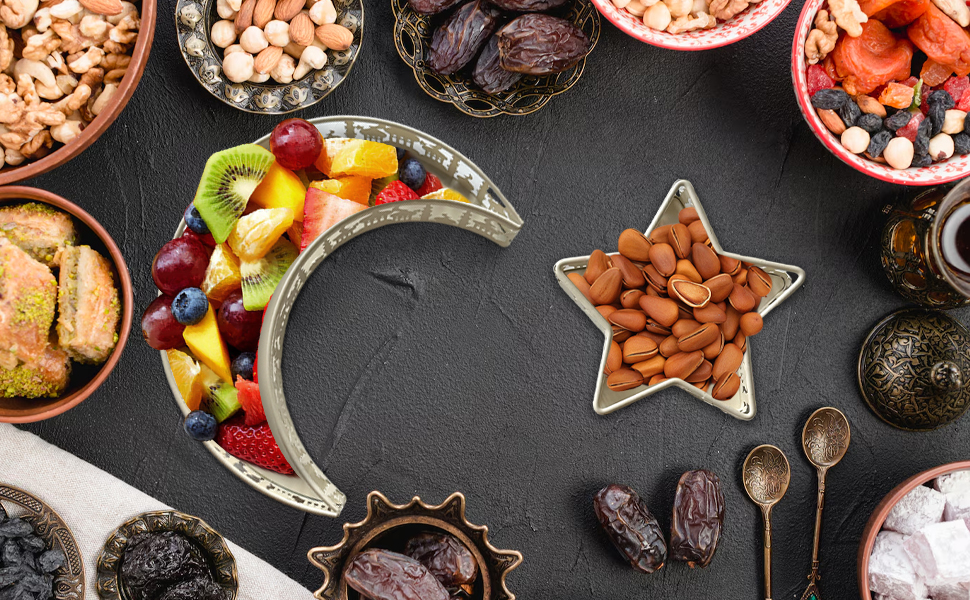
Serveware sets the tone before the first bite. A wide platter makes a roast look abundant; a shallow bowl turns a simple salad into a centerpiece; a tiered stand gives desserts and fruit a sense of occasion. Look for pieces that bridge kitchen and dining—oven-to-table stoneware, a cutting board that doubles as a charcuterie stage, and a pitcher that moves easily from water service to flower display.
- Choose one statement piece per table—a bold platter or a handmade bowl.
- Keep scale in mind: oversized serveware can crowd a small table, while tiny pieces disappear on a large one.
- Build a flexible set: one large platter, one deep bowl, one shallow bowl, and one handled server cover most meals.
Finish with contrast. Pair matte ceramics with glass, warm wood with cool stone, and crisp white linens with colorful coasters. The goal isn’t a perfect showroom—it’s a table that feels generous, usable, and ready for real life.
Putting It All Together: A Simple Hosting Checklist
- Set the stage: clear the kitchen dining table and place coasters within reach.
- Pour with purpose: choose one wine glass style and one shot glass set for the evening.
- Serve in layers: use serveware to group food by texture, color, and temperature.
- Keep it easy: leave a small tray for used glasses and a stack of napkins nearby.
- Add one memorable detail: a handwritten menu card, a tiny vase, or a chilled shot glass for a toast.
When kitchen dining, shot glasses, coasters, wine glasses, and serveware work together, hosting feels less like performance and more like hospitality. The pieces protect your table, guide your guests, and make every pour, plate, and toast a little more intentional—without making anyone afraid to enjoy the moment.
About the Author